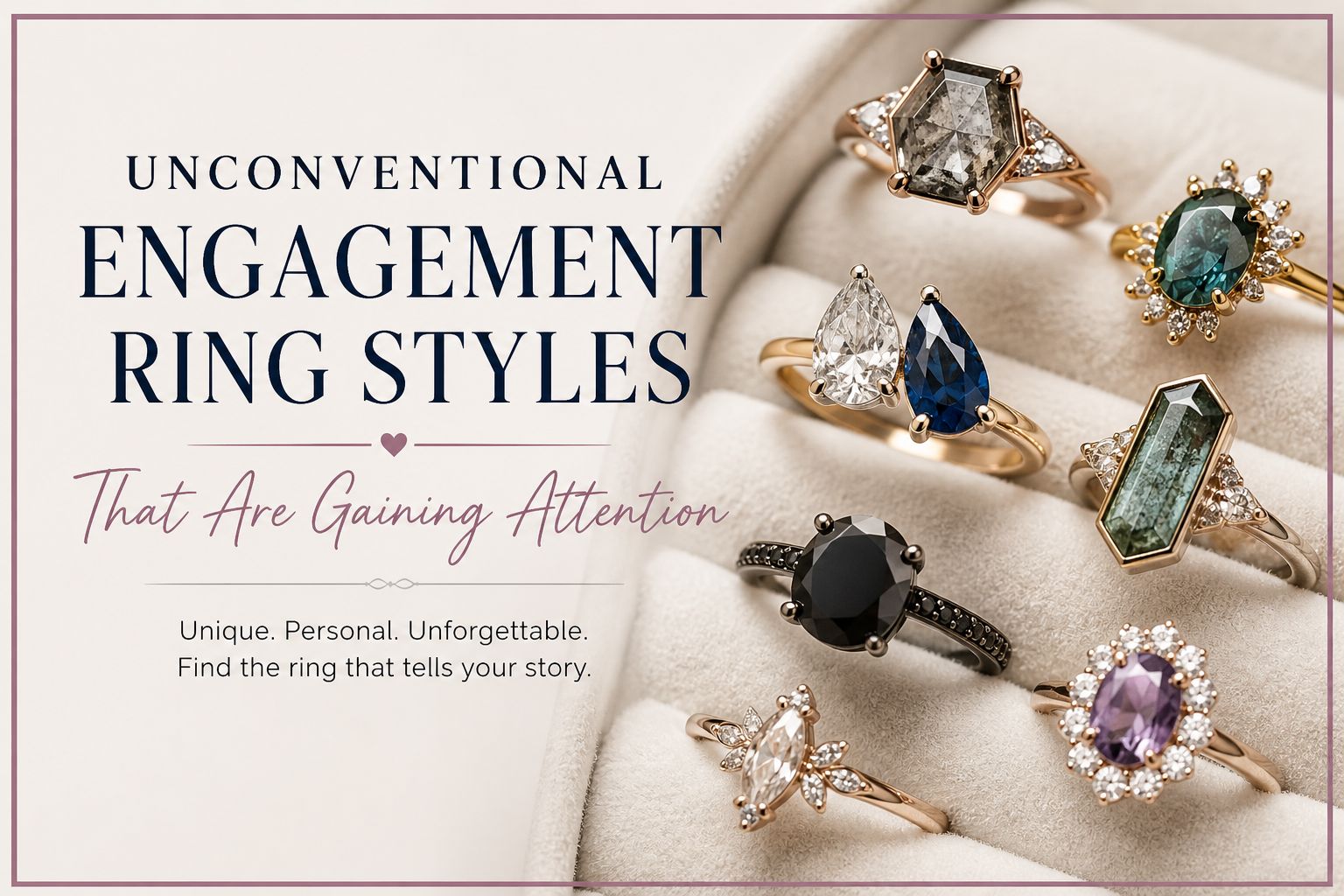
Engagement rings no longer need to follow one narrow idea. Many couples now want rings that feel personal, clear, and full of character. A classic diamond solitaire still works for many people, but it no longer feels like the only “right” choice.
An unconventional engagement ring can use a colored stone, a different diamond cut, a two-stone setting, a vintage detail, or a mixed-metal band. Some rings feel bold. Some feel soft and quiet. Some look artistic without trying too hard.
The best part is this: different does not mean less serious. A unique ring can still feel romantic, elegant, and practical for daily wear. The key is to choose style with care.
A ring should match the wearer’s taste, lifestyle, and hand. It should also hold up through real life, because rings meet desks, bags, sinks, jackets, pets, and all the tiny bumps that happen in a normal day.
Here are the unconventional engagement ring styles that are getting more attention, plus what to know before choosing one.
Why More Couples Are Choosing Unconventional Engagement Rings
Many couples now see an engagement ring as a personal piece, not just a formal symbol. They want the ring to say something about the person wearing it. That shift makes room for color, unusual shapes, custom details, and stones with meaning.
Some buyers want a ring that feels different from what everyone else has. Others care about budget, origin, ethics, or long-term value. A lab-grown diamond, a sapphire, or a custom ring can help them make a choice that fits their values and style.
Social media has also changed how people shop. A person can now see hundreds of ring styles in one sitting. That includes gothic rings, vintage halos, colored gemstone rings, black diamonds, toi et moi rings, and low-profile modern designs.
Still, a ring should not feel random. A unique engagement ring needs balance. It should have a secure setting, a durable stone, and a shape that suits daily wear.
That is where smart shopping helps. You can choose something fresh without choosing something fragile or hard to wear.
Colored Gemstone Engagement Rings
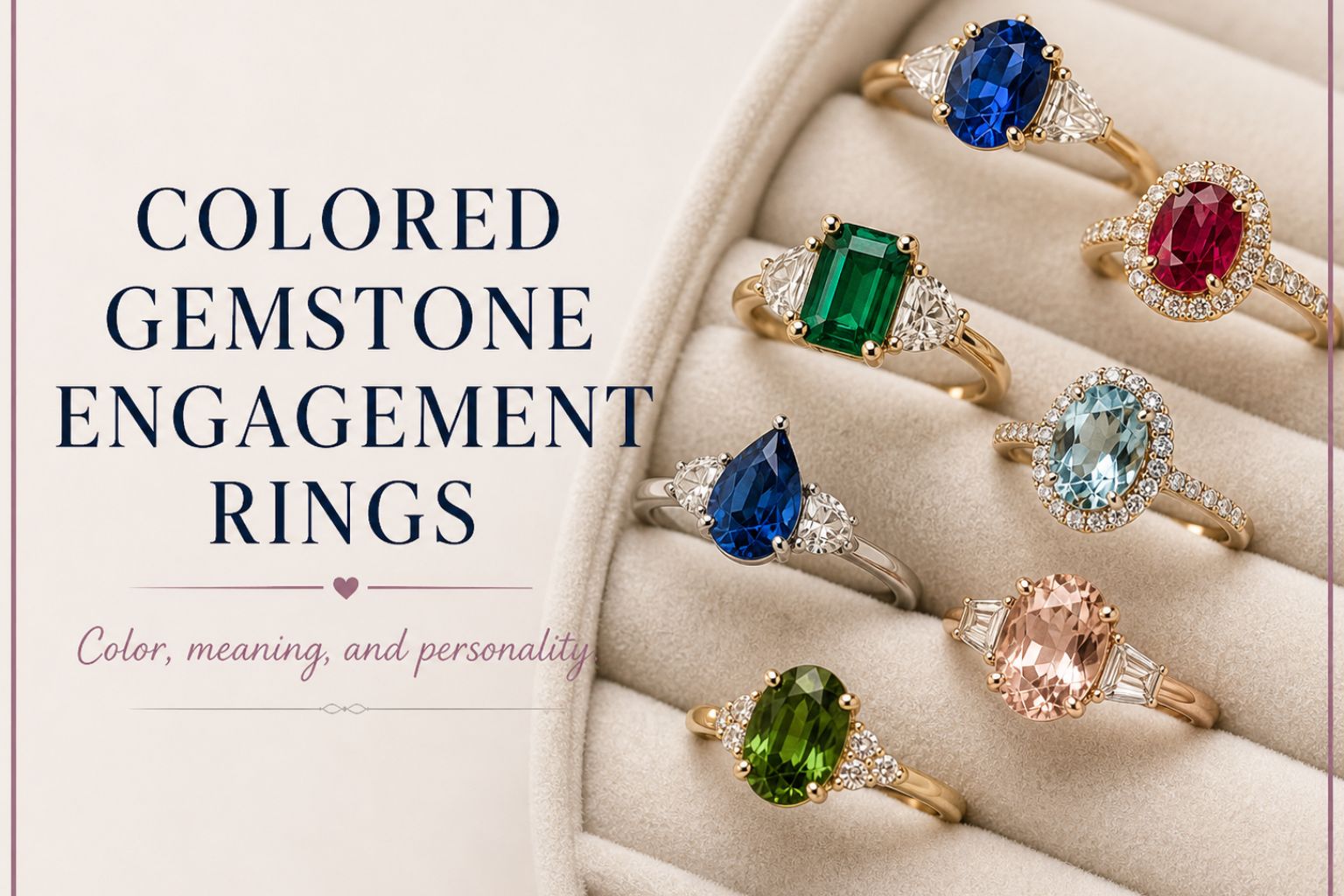
Colored gemstone engagement rings are one of the most popular unconventional choices. They bring color, meaning, and personality to the ring right away.
Sapphire remains a strong choice because it looks beautiful and holds up well. Blue sapphire feels classic, but green, pink, yellow, and white sapphires can feel more unexpected. This stone works well for daily wear, which is a big deal.
Ruby brings a rich red color. It feels romantic, bold, and old-school in the best way. A ruby can look dramatic in yellow gold or sharp in platinum.
Emerald has a deep green look that many people love. It feels elegant and vintage. But emeralds often need more care because they can chip more easily than sapphire or ruby.
Aquamarine gives a soft blue tone. It looks calm and clean, especially in white gold or platinum. Morganite has a peach-pink color and looks warm with rose gold.
Garnet and spinel also work well for people who want color with a less common feel. They can look rich without feeling too flashy.
Some couples also look at Alexandrite Engagement Rings because the stone can shift color in different light. That color-change effect gives the ring a special feel, and it works well for someone who wants a gemstone that feels rare and personal.
Before choosing any colored stone, ask about hardness, treatment, and care. Color should pull you in, but durability should help you decide.
Salt-and-Pepper Diamond Rings
Salt-and-pepper diamonds have visible inclusions. These inclusions create gray, black, white, or speckled patterns inside the stone.
Some people love this look because it feels natural and a bit moody. No two stones look exactly alike. That gives the ring a one-of-a-kind feel without needing a loud design.
Salt-and-pepper diamonds often pair well with yellow gold, rose gold, bezel settings, and simple bands. The stone already has texture, so the setting does not need to do too much.
These diamonds can also cost less than clear white diamonds in some cases. But price depends on size, shape, cut, and overall appeal.
Buyers should inspect these stones carefully. Inclusions create the look, but heavy inclusions can affect strength. Ask a jeweler if the stone has weak spots, cracks, or surface-reaching marks.
A salt-and-pepper diamond works best for someone who likes natural beauty over perfect sparkle. It is not the ring for someone who wants a clear, bright, traditional diamond. And that is fine. Different people like different things.
Toi et Moi Rings
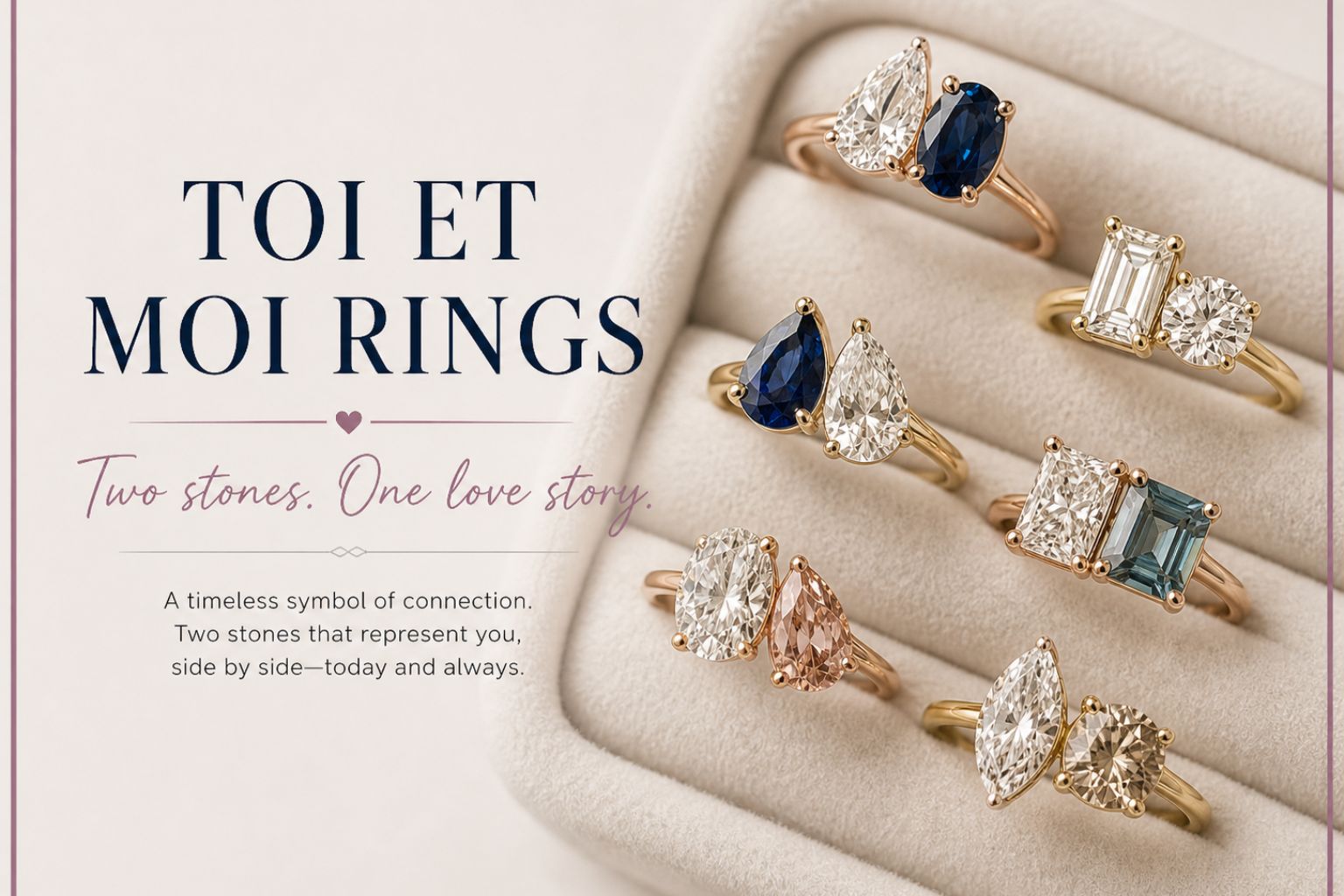
A toi et moi ring uses two main stones. The name means “you and me,” which already gives the style a romantic start.
This design can represent two people, two stories, two birthstones, or two parts of a shared life. It has meaning built into the shape, so it often feels more personal than a single-stone ring.
Common pairings include diamond and sapphire, emerald and pear diamond, ruby and oval diamond, or two diamonds in different cuts. A pear stone next to an oval stone can look soft and balanced. An emerald cut next to a round stone can feel modern and clean.
The best toi et moi rings have good proportion. If both stones fight for attention, the ring can look crowded. If they sit too far apart, the design may feel unfinished.
Look at the ring from the top and the side. Make sure both stones sit securely and do not catch on fabric. This matters because two center stones can create more edges than one.
A toi et moi ring works well for someone who likes meaning and style in the same piece. It has charm without needing a huge center stone.
East-West Engagement Rings
An east-west ring sets the stone horizontally across the band. This simple change makes the ring feel fresh.
Oval, emerald, marquise, pear, radiant, and cushion stones can all work in an east-west setting. The shape sits across the finger instead of pointing up and down. It gives a classic stone a modern twist.
This style works well for people who want something different but not too bold. It still feels clean and wearable. It also pairs well with simple wedding bands.
An east-west emerald cut can look sleek. An east-west marquise can feel dramatic. An east-west oval can look soft and modern.
Check the width before buying. A long stone can stretch too far across a small finger. It may bump against nearby fingers or feel less comfortable.
Also check the setting height. A low east-west setting can feel practical for daily wear. A high one may catch more often.
This style proves that unconventional does not need to shout. Sometimes one smart change gives the whole ring a new mood.
Black Diamond Engagement Rings
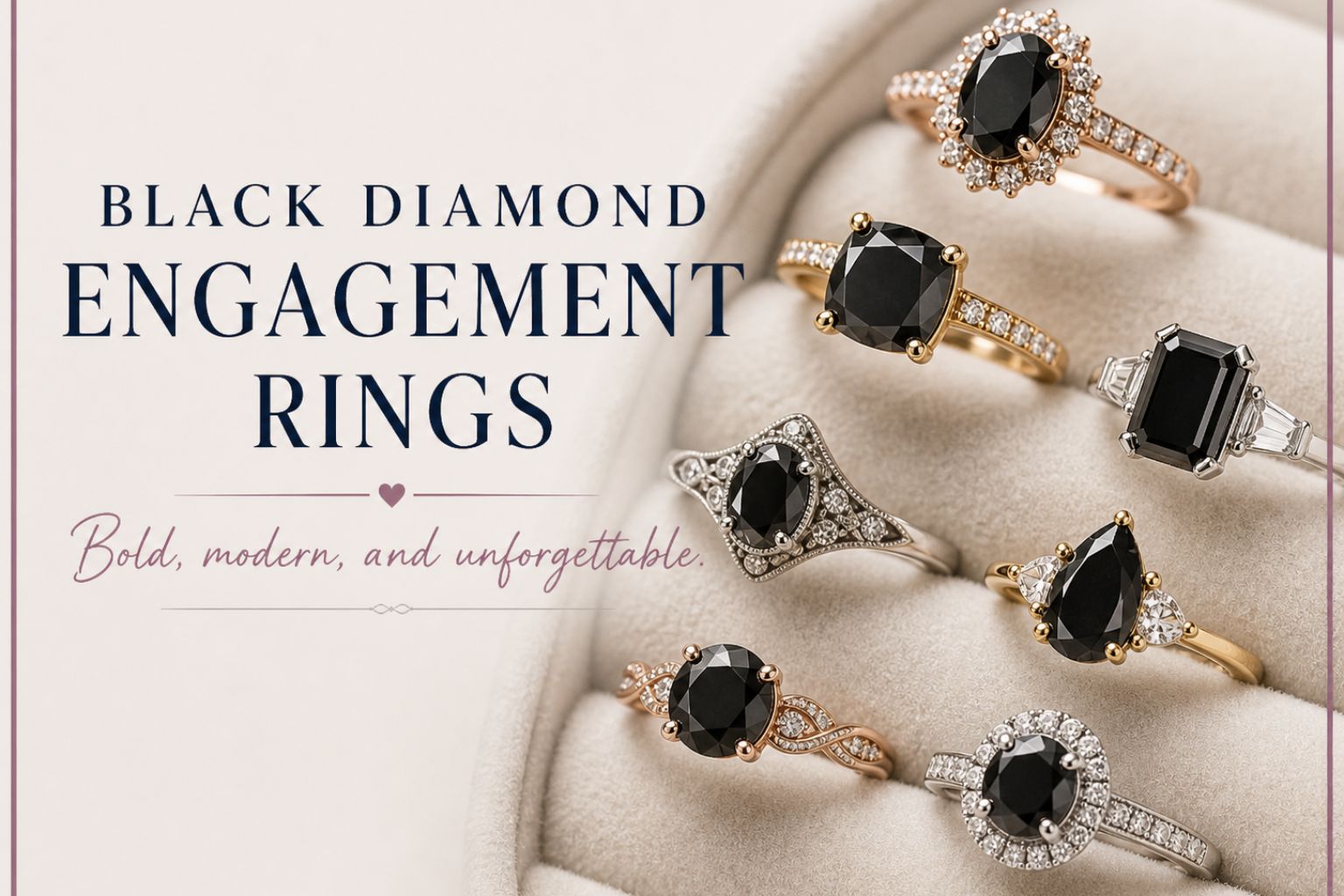
Black diamond engagement rings create a bold look. They stand out because they do not try to copy the classic white diamond style.
A black diamond can feel modern, gothic, vintage, or minimal based on the setting. Put it in yellow gold, and it feels warm and dramatic. Put it in platinum, and it feels sharp. Pair it with rose gold, and it gets softer.
Some people choose black diamonds because they want contrast. Others like the deeper tone and less common look. A black center stone can also make side diamonds appear brighter.
Ask if the black diamond is natural-color or treated. Many black diamonds on the market receive treatment to create or improve the color. That is not always a problem, but the buyer should know.
Also ask how the stone handles wear. Black diamonds can be durable, but some may have many internal features. A jeweler can inspect the stone and explain any risks.
This style suits someone who likes strong design. It may not suit someone who wants soft sparkle. That is the point, though. A black diamond has its own lane.
Cluster and Floral Engagement Rings
Cluster engagement rings use several stones together instead of one main center stone. Floral rings use stones arranged like petals, leaves, or natural shapes.
These rings can feel romantic, vintage, or playful. They also create a larger look without using one large stone. That can help buyers manage budget while still getting visual impact.
A diamond cluster can feel classic with a twist. A colored gemstone cluster can feel artsy and personal. A floral halo around a sapphire or ruby can look straight out of an antique jewelry box.
Asymmetrical clusters are gaining attention too. These rings may place stones at different angles or use mixed shapes. They can look relaxed and creative without feeling messy.
The main thing to check is stone security. Small stones need solid prongs or bezels. If one tiny stone loosens, the ring may need repair.
Cleaning also matters. More stones and details mean more small spaces where lotion and soap can sit. It is not a dealbreaker, but it is something to know.
A cluster ring works well for someone who wants detail, texture, and a ring with personality from every angle.
Vintage-Inspired Engagement Rings
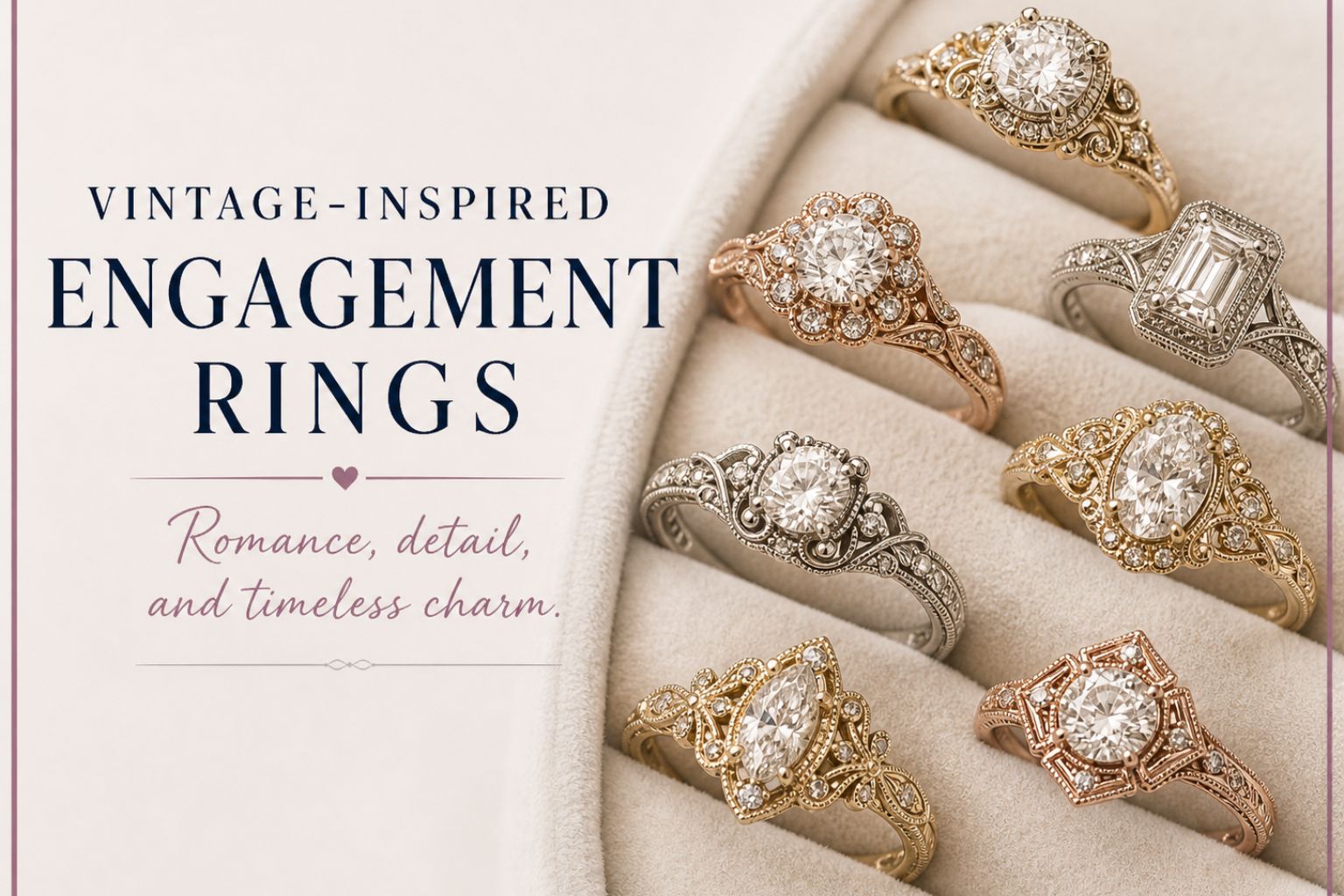
Vintage-inspired engagement rings use details from older jewelry styles. They may include milgrain edges, filigree, engraving, halo settings, old mine cuts, old European cuts, or Art Deco shapes.
This style appeals to people who want a ring with character. It can feel romantic without feeling plain. It can also look personal even when made new.
Milgrain adds tiny bead-like texture around the stone or band. Filigree creates fine metal patterns. Engraving gives the ring a hand-finished feel.
Art Deco rings often use clean lines, step-cut stones, and strong shapes. Edwardian-inspired rings often feel softer, with lace-like details and platinum settings. Victorian-inspired rings may use warm gold, floral shapes, and colored stones.
A vintage-inspired ring can be easier to wear than a true antique ring. New construction often means stronger prongs, cleaner sizing options, and clearer warranty terms.
Still, check the details. Fine metalwork can wear down if the ring gets rough daily use. A ring with many small stones also needs regular inspections.
This style works best for someone who loves history, romance, and detail but still wants a ring that fits modern life.
Unusual Diamond Cuts and Stone Shapes
Stone shape can make a ring feel unconventional even if the setting stays simple. A unique cut gives the ring character right away.
Kite cuts feel sharp and modern. Shield cuts look bold and strong. Trillion cuts have a triangular shape that brings energy to the ring.
Hexagon cuts offer clean lines with a softer edge than some pointed shapes. They feel geometric, but they can still look romantic in the right setting. Many buyers like hexagon engagement rings because they blend modern shape with a balanced, wearable look.
Baguette center stones create a quiet, Art Deco feel. Coffin cuts bring a darker, gothic mood. Portrait cuts look flat and glass-like, which gives the ring a very old-world feel.
Rose cuts also continue to attract attention. They have a flat back and a domed top, so they give a soft glow instead of sharp sparkle.
Unusual cuts often need custom settings. This is important because pointed corners can chip if they sit exposed. V-prongs, bezels, and protective settings can help.
Always view the stone on the hand. Some cuts look amazing in close-up photos but feel too wide, too sharp, or too flat in person.
Mixed-Metal Engagement Rings
Mixed-metal engagement rings combine two or more metal colors. This can make a ring feel modern, artistic, or vintage.
A yellow gold band with platinum prongs gives warmth while keeping the stone bright. A rose gold band with white gold details feels soft and romantic. Blackened metal with gold accents creates a stronger look.
Mixed metals also help the ring match more jewelry. If the wearer already wears both gold and silver pieces, a two-tone ring can blend into their daily style.
This choice can also highlight the center stone. White prongs can make a diamond look brighter. Yellow gold can warm up a champagne diamond or colored gemstone.
Ask the jeweler how the metals will wear over time. Different finishes may age in different ways. Some surface treatments may need touch-ups.
A mixed-metal ring should look intentional. The colors should support each other, not compete. When done well, this style feels unique without being hard to wear.
Minimalist Rings With One Unexpected Detail
Not every unconventional ring needs to look bold. Some of the best unique rings are simple at first glance, then interesting up close.
A minimalist ring may have a hidden halo, a colored side stone, an off-center center stone, a textured band, or an unusual prong shape. These details add personality without making the ring feel busy.
A knife-edge band can make a simple diamond feel sharper. A small blue sapphire on the inside of the band can add private meaning. A hidden halo can give sparkle from the side view.
Some people love this style because it feels personal but not loud. It works well for someone who likes clean outfits, simple jewelry, and small details that feel special.
This is also a smart route for daily wear. A simple band often cleans more easily and catches less than a detailed setting.
Still, check the structure. A very thin band may bend over time. A hidden detail should not weaken the ring or make resizing too hard.
This style says, “I have taste,” without yelling across the room. Honestly, that can be pretty cool.
Custom Engagement Rings
Custom engagement rings give buyers the most control. You can choose the stone, metal, setting, shape, side stones, engraving, and small design details.
This works well for people who have a clear idea or want a ring with personal meaning. A custom ring can include a birthstone, family stone, special symbol, or design detail from a shared memory.
Custom also helps when you want an unusual stone shape. Some cuts need settings that fit them exactly. A good jeweler can create support where the stone needs it most.
The process can take longer than buying a ready-made ring. It also requires more decisions. That part can feel fun, but it can also feel like a lot.
Ask the jeweler for sketches, CAD images, or wax models. These help you see the ring before final production. Do not approve a design based only on a vague description.
Also ask about resizing, returns, repairs, and timelines. Custom rings may have stricter policies because they are made for one buyer.
A custom ring can be deeply meaningful. Just make sure the design works on a hand, not only in your head.
What to Check Before Choosing an Unconventional Ring
A unique engagement ring should still work for daily life. That means you need to check more than the look.
Start with stone durability. Diamonds, sapphires, and rubies usually handle daily wear well. Softer stones need more care and may not suit every lifestyle.
Check the setting security. Prongs should hold the stone firmly. Bezel settings can protect edges, especially on softer stones or pointed cuts.
Look at band thickness. Very thin bands can look delicate, but they may bend more easily. A stronger band may serve the wearer better over time.
Think about cleaning. Rings with many stones, deep grooves, or fine details can collect dirt faster. That does not make them bad, but it adds care.
Ask about resizing. Some unusual rings, mixed-metal bands, engraved bands, and rings with stones along the shank can be harder to resize.
Ask about warranty and repair policies. A ring with a special cut or custom setting may need a jeweler who understands that design.
Try the ring with normal hand movements. Make a fist. Hold a phone. Slide your hand into a pocket. If the ring catches or feels awkward, pay attention.
A ring should make life feel sweeter, not more annoying. That sounds simple because it is.
Final Thoughts
Unconventional engagement rings are gaining attention because they give couples more ways to show personality. Colored gemstones, salt-and-pepper diamonds, toi et moi designs, east-west settings, black diamonds, vintage details, mixed metals, and unusual cuts all offer something different.
The best ring balances beauty, meaning, comfort, and strength. It should look special, but it should also suit the person who will wear it every day.
Do not choose a ring only because it looks good in a photo. Choose it because it fits the hand, the lifestyle, the budget, and the relationship.
A great engagement ring does not need to follow old rules. It needs to feel honest, wearable, and personal. That is what makes it worth keeping close.
Unconventional Engagement Ring Styles That Are Gaining Attention
Best Womens Vacation Dresses 2025 (Trendy & Stylish Picks)
Vacation Dresses for Women: Effortless Looks for Every Destination
What Is a Bounce Dress? Meaning, Style & Why It Moves
Unconventional Engagement Ring Styles That Are Gaining Attention