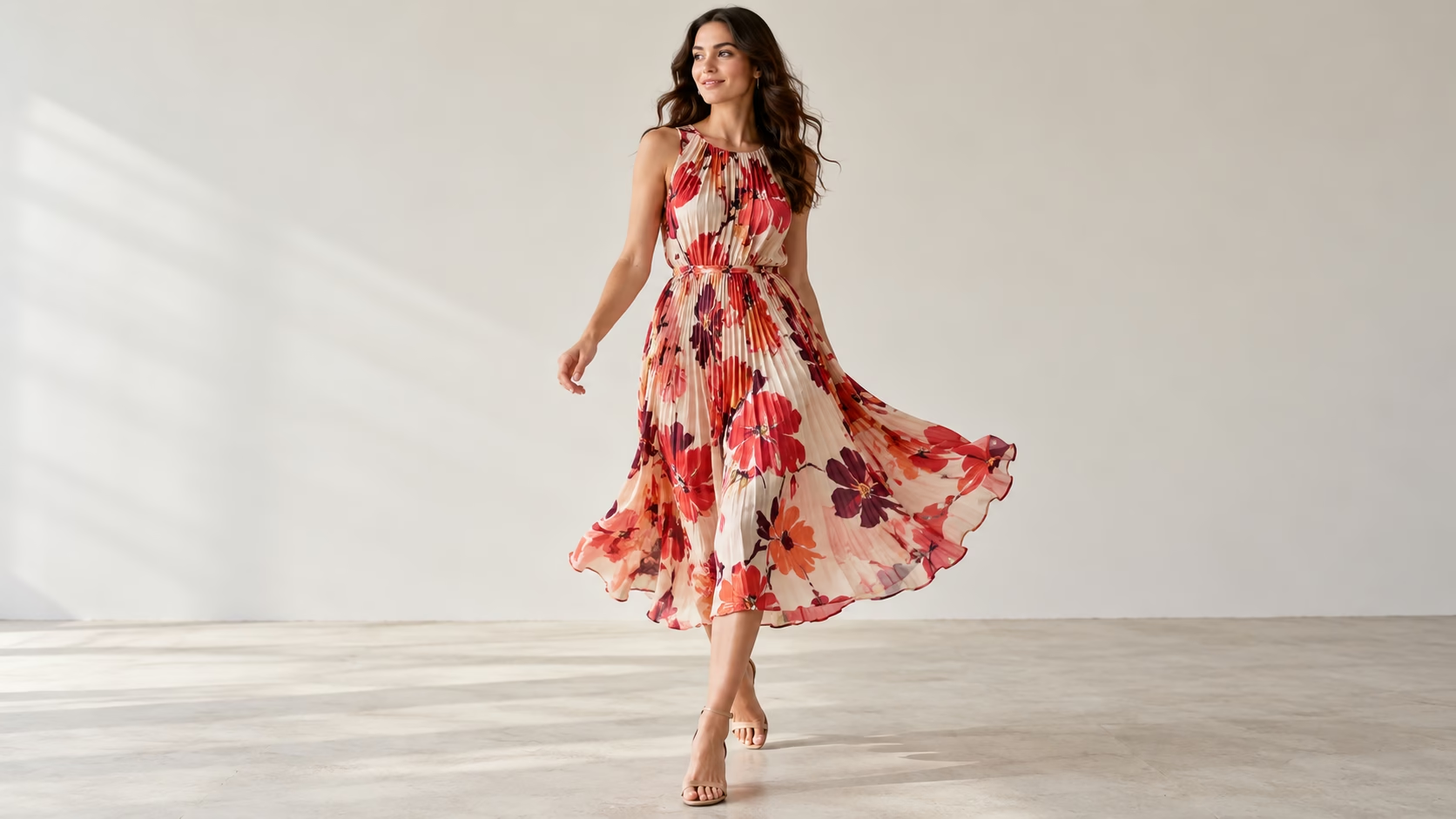
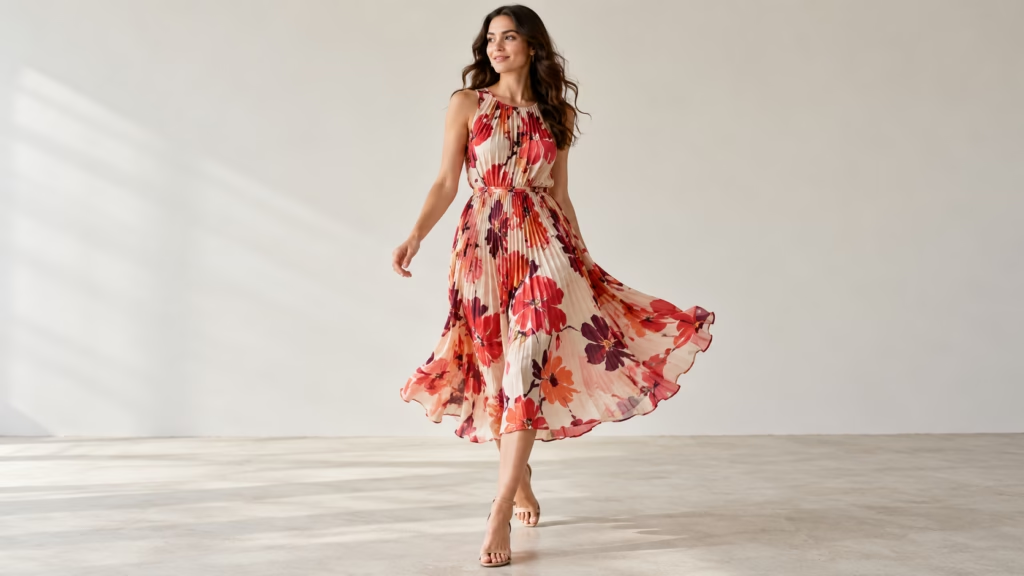
A bounce dress is a loose, pleated dress known for dramatic movement as the wearer walks or dances. The term is not a standardized fashion category. It is a modern descriptive label commonly used for lightweight, flowing pleated dresses that visibly sway or spring with movement.
A bounce dress is known more for how it moves than for a specific neckline, print, or hemline. The effect usually comes from a combination of fine pleating, lightweight fabric, garment volume, and a relaxed silhouette.
What Is a Bounce Dress?
A bounce dress usually refers to a lightweight dress with fine pleating, a relaxed silhouette, and enough volume for the fabric to move visibly away from the body.
Many dresses sold under this name share a few characteristics:
- Fine pleats across much or all of the garment
- A loose or flowing fit
- Lightweight fabric
- Midi or maxi length
- Enough volume for the skirt to move freely
There is no official construction standard for a bounce dress. Different boutiques and sellers may use the name for slightly different styles.
For example, Jazz It Up Boutique’s bouncy dress collection uses the term for loose, pleated dresses that emphasize movement.
Is “Bounce Dress” an Official Fashion Term?
No. “Bounce dress” is better understood as a modern descriptive label than an established technical garment category.
That makes it different from terms such as A-line dress, shift dress, knife pleat, or box pleat, which describe recognized silhouettes or construction methods.
The term “bounce dress” mainly describes how the garment looks in motion.
This also means that two dresses sold under the same name may not be made in exactly the same way. One may use very fine pleats and lightweight synthetic fabric, while another may simply have a loose pleated shape that creates a similar effect.
Why Does a Bounce Dress Move So Much?
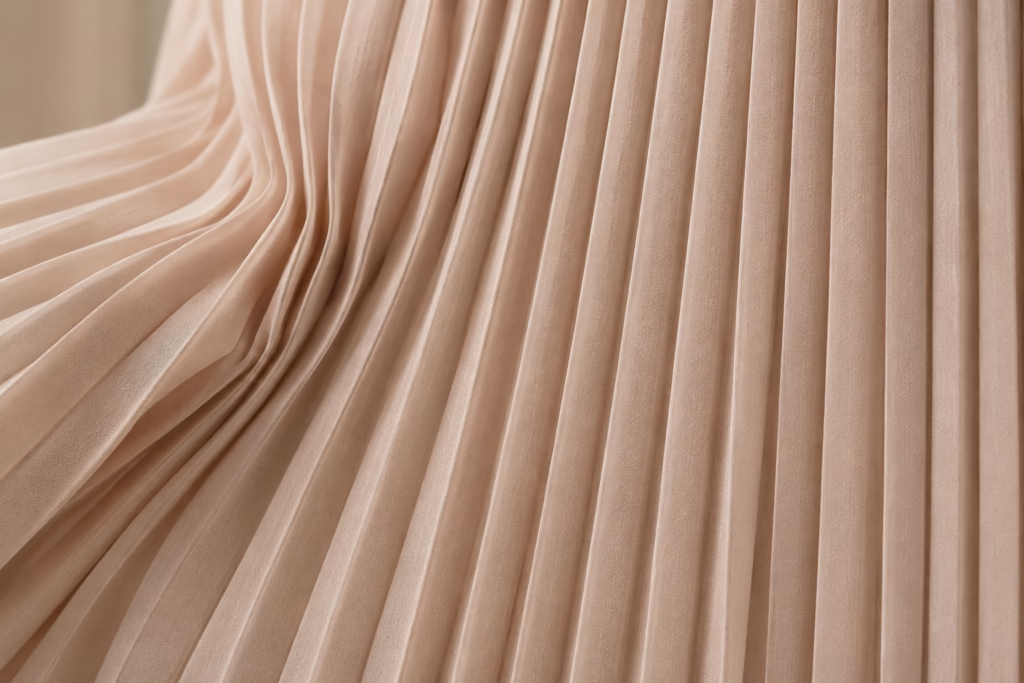
Many dresses sold as bounce dresses get their movement from a combination of fine pleating, lightweight fabric, garment volume, and a relaxed cut.
Pleats allow the fabric to expand and compress as the wearer moves. A loose silhouette gives the material space to swing away from the body instead of being held close by a fitted waist or skirt.
The amount of movement can depend on:
- Pleat depth
- Fabric weight
- Fabric structure
- Dress length
- Garment volume
- Overall cut
It is more accurate to think of the “bounce” as the result of the whole garment rather than one special feature.
Pleated clothing designed around movement is not new. The Metropolitan Museum of Art’s record of Issey Miyake’s pleated garments explains how some of his designs were constructed larger than their final size and then pleated using heat.
That process created flexible garments designed to move with the body.
This does not mean that modern bounce dresses use Miyake’s construction method. His work is useful as historical context for understanding how fine pleating can create dramatic movement.
What Fabric Is a Bounce Dress Made Of?
There is no single fabric used for every bounce dress.
The fiber content depends on the manufacturer, so the care label is the best source of information for a specific garment.
Many permanently pleated garments use synthetic fibers because those materials can hold heat-set pleats effectively. The ASU FIDM Museum’s discussion of Issey Miyake’s early pleating experiments explains some of the challenges involved in creating lasting pleats in different fibers.
This does not mean every bounce dress is polyester or that every pleated garment is produced the same way.
If you want to know how a particular dress is likely to behave, check:
- Fiber composition
- Care instructions
- Pleat construction
- Manufacturer information
The product name alone cannot tell you how the garment was made.
Where Did the Bounce Dress Trend Come From?
The term appears to have gained wider visibility through social-media videos featuring women wearing flowing pleated dresses, particularly in church-outfit content.
One creator strongly associated with the trend is Kimberly Davis. The Root’s coverage of the bouncy church dress trend documented Davis, the popularity of her videos, and the connection with Jazz It Up Boutique in Alabama.
It would be too strong, however, to say that one person or boutique invented the garment.
Pleated dresses with dramatic movement existed long before the current social-media trend.
A more accurate distinction is:
Pleated garment construction is old. “Bounce dress” or “bouncy dress” is a newer popular label for a particular look and movement.
The Sunday-Best Connection
A significant part of the style’s online visibility came from polished church outfits.
The dresses fit naturally into that setting because many versions are:
- Modest in length
- Loose rather than body-hugging
- Visually dramatic
- Especially noticeable when walking or dancing
The social-media trend therefore combines an existing tradition of expressive Sunday dressing with a newer online name for pleated dresses that create exaggerated movement.
The garment concept itself is not new. The terminology and current popularity are much more recent.
Did Issey Miyake Invent the Bounce Dress?
There is no reliable evidence that Issey Miyake invented or named the modern bounce dress.
His relevance comes from his major influence on modern pleated fashion.
Miyake became known for innovative garments built around permanent pleating and freedom of movement. His Pleats Please design history shows how pleating became central to one of his best-known fashion lines.
His work is useful for understanding the broader history of pleated clothing, but it would be inaccurate to say that every modern bounce dress uses Miyake’s technique or directly descends from his designs.
Bounce Dress vs. Similar Styles
Bounce Dress vs. Pleats Please
Pleats Please is a specific fashion line created by Issey Miyake and associated with a specialized garment-pleating process.
A bounce dress is an informal label used by consumers, creators, and retailers for pleated dresses that create noticeable movement.
Some Pleats Please garments may look bouncy when worn, but the terms are not interchangeable.
Bounce Dress vs. Regular Pleated Dress
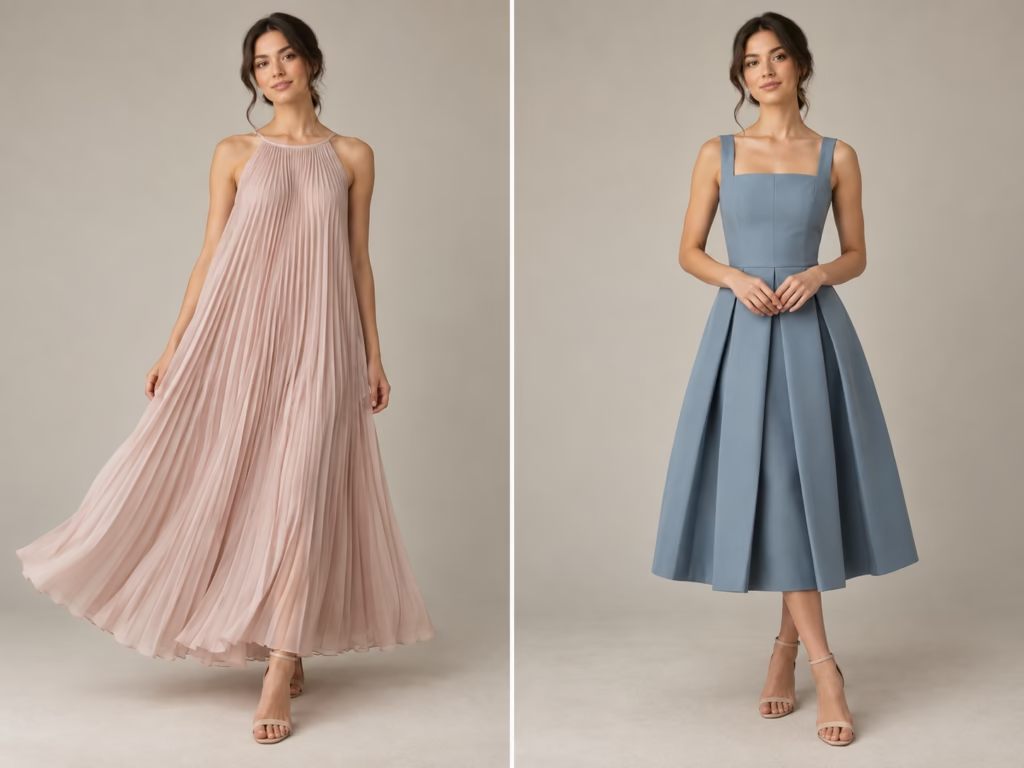
A pleated dress is any dress that uses folds in the fabric as part of its design or construction.
Those pleats may be:
- Knife pleats
- Box pleats
- Accordion pleats
- Crystal pleats
- Sunray pleats
The pleating may cover the entire garment or only part of it.
A bounce dress is more specifically identified by the effect of the garment in motion.
In simple terms:
A bounce dress can be a pleated dress, but not every pleated dress is a bounce dress.
A structured dress with wide pleats may swing while walking without producing the loose, springy movement associated with the bounce-dress look.
Bounce Dress vs. Bubble Dress
A bounce dress and a bubble dress are different styles.
A bubble dress usually has a rounded skirt created by gathering or shaping the fabric inward near the hem. The result is a puffed or balloon-like silhouette.
A bounce dress gets its visual effect mainly from movement.
So the easiest distinction is:
Bubble dress = rounded shape
Bounce dress = noticeable movement
The similar names can make the two styles easy to confuse.
How Can You Tell if a Dress Will Actually Bounce?
A product name alone cannot guarantee dramatic movement.
Instead, look at the garment’s construction and how it behaves when worn.
Fine Pleating
Closely spaced pleats often create more texture and visible movement than a few wide folds.
Lightweight Fabric
Heavy fabric usually falls more firmly toward the body.
Lighter material can react more visibly when the wearer walks or turns.
A Loose Silhouette
The fabric needs room to move.
A tightly fitted dress naturally limits how far the material can swing away from the body.
Enough Skirt Volume
Extra fabric can create more visible movement, although fabric weight and construction also matter.
Midi or Maxi Length
Many dresses associated with the trend fall below the knee, giving the lower half of the garment more fabric to move.
Look for Video
A photograph cannot show how a dress behaves in motion.
If movement is important to you, a short video of someone actually walking in the dress is much more useful than a still product image.
How Are Bounce Dresses Styled?
The versions popularized through social media are often styled as polished church or special-occasion outfits.
Common pairings include:
- Pointed-toe heels
- Block heels
- Statement earrings
- Structured handbags
- Coordinated jewelry
- Dress hats or fascinators
Because the pleating already gives the outfit plenty of texture and movement, simpler accessories can help keep the look balanced.
If the dress has a bold print, choosing shoes and a bag in one of the colors already present in the pattern can create a more cohesive outfit.
Are Bounce Dresses Only for Church?
No.
Church-outfit videos helped bring the style more attention, but the silhouette itself is not limited to religious settings.
Depending on the fabric, print, and accessories, a bounce dress can also work for:
- Brunch
- Dinner
- Weddings
- Vacations
- Parties
- Daytime events
- Family celebrations
The setting depends more on the specific dress and how it is styled than on the name “bounce dress.”
Are Bounce Dresses Good for Plus-Size Women?
Many examples associated with the social-media trend have been sold by boutiques that specialize in plus-size fashion.
A relaxed silhouette and flexible pleated structure can work across a range of body shapes, but sizing varies considerably between brands.
Check the actual garment measurements rather than assuming a loose or one-size dress will fit everyone.
Pay particular attention to:
- Bust measurement
- Hip measurement
- Length
- Stretch
- Manufacturer sizing notes
“One size” does not mean universal sizing.
How Should You Wash a Bounce Dress?
Follow the care label on the specific garment.
Different bounce dresses may use different fibers and pleating methods, so there is no universal washing method.
Specialized permanently pleated garments can behave differently from inexpensive fashion versions.
For example, the construction behind Issey Miyake’s pleated garments was specifically developed around permanently set pleats.
A different pleated dress may not have the same durability.
As a general precaution, avoid exposing an unknown pleated garment to high heat unless the care instructions specifically allow it.
High heat from an iron, dryer, or steamer may affect some pleated fabrics.
Following the manufacturer’s instructions is safer than applying one care method to every bounce dress.
Frequently Asked Questions
Is a bounce dress the same as a bouncy dress?
Usually, yes. Both phrases are used for loose, pleated dresses that create noticeable movement when worn. Neither term has a strict technical definition.
Why does a bounce dress bounce?
The movement usually comes from a combination of fine pleating, lightweight fabric, garment volume, and a relaxed silhouette. The exact effect varies from one dress to another.
Is a bounce dress a type of pleated dress?
Most dresses currently described as bounce or bouncy dresses are pleated. However, “bounce dress” describes their visual movement rather than an official pleat category.
Who made bounce dresses popular?
Social-media church-outfit videos appear to have played a major role in bringing the term wider attention. Creator Kimberly Davis and Jazz It Up Boutique are among the names strongly associated with the modern trend.
It is more accurate to say they helped popularize the look than to claim they invented the garment.
Are bounce dresses related to Issey Miyake?
Only in a broad design sense.
Issey Miyake is historically important for innovative pleated garments designed around movement, but there is no evidence that he created or named the modern bounce-dress trend.
What Is a Bounce Dress? Meaning, Style & Why It Moves

How to Make Bag Charms (DIY Bag Charms Guide)

Spring Fashion trends 2025 : what's in!

Who Should Be Paying For Your Wedding Cards And Save The Dates?
What Is a Bounce Dress? Meaning, Style & Why It Moves

Unconventional Engagement Ring Styles That Are Gaining Attention